
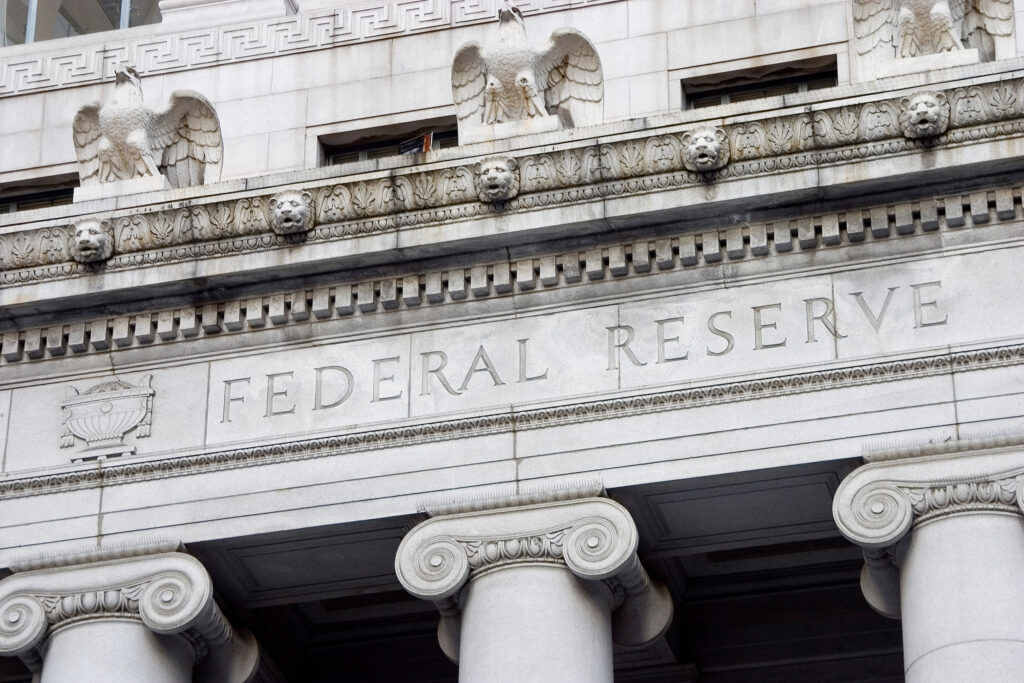
Federal Reserve officials voted 10-2 to leave interest rates unchanged yesterday, maintaining the federal funds target range at 3.75%–4.00%. Following September’s 25-basis-point increase, yesterday’s decision reflects a more patient approach as policymakers assess whether additional tightening will be necessary to bring inflation sustainably back toward the Fed’s 2.0% long-term target. While the FOMC reiterated its commitment to price stability, it offered no clear indication that another rate increase would come at its December meeting. Governor Lisa Cook and Cleveland Fed President Beth Hammack dissented, both favoring an additional 25-basis-point increase. The decision comes amid continued economic resilience and persistent inflationary pressures, leaving policymakers with the flexibility to evaluate incoming data before determining their next move.
Recent economic data continues to reinforce the challenges facing the Fed. The CPI increased 3.7% on an annual basis in September, its fastest pace in five months, as higher energy prices stemming from the ongoing conflict in the Middle East contributed to renewed inflationary pressures. However, price increases have also broadened across goods and services, suggesting inflation concerns extend beyond energy markets. At the same time, consumer spending remains resilient, while significant investment in AI infrastructure continues to support economic growth. Economists anticipate third-quarter GDP growth of approximately 3.2% on an annualized basis, reinforcing the view that the economy remains strong enough to withstand restrictive monetary policy.
The Investment Committee believes yesterday’s decision reflects a measured approach by a Warsh-led Fed, balancing the need to contain inflation against the benefits of allowing September’s rate hike more time to work through the economy. Although inflation remains elevated, policymakers appear comfortable gathering additional information before committing to further tightening. Market expectations have shifted considerably in recent weeks, with the probability of an October rate increase falling from above 70% following September’s meeting to below 10% ahead of yesterday’s announcement. Importantly, yesterday’s pause should not be interpreted as a change in the Fed’s commitment to restoring price stability.
Looking ahead, the Investment Committee continues to anticipate one additional 25-basis-point increase at the December meeting, although the timing of further tightening will ultimately depend on incoming economic data. Tomorrow’s release of the Personal Consumption Expenditures (PCE) Price Index, the Fed’s preferred inflation measure, will provide additional insight into the inflationary trend. With economic activity continuing to expand at a strong pace and the unemployment rate remaining relatively stable, policymakers retain the flexibility to raise rates further if inflation fails to moderate. Longer term, we believe the Fed could eventually pivot toward easing monetary policy if geopolitical tensions subside, energy prices normalize, and inflationary pressures begin to cool.